Modernisation du système de refroidissement par saumure vers un système de refroidissement direct : deux unités BCPY-7.5T-15T installées à Kuching
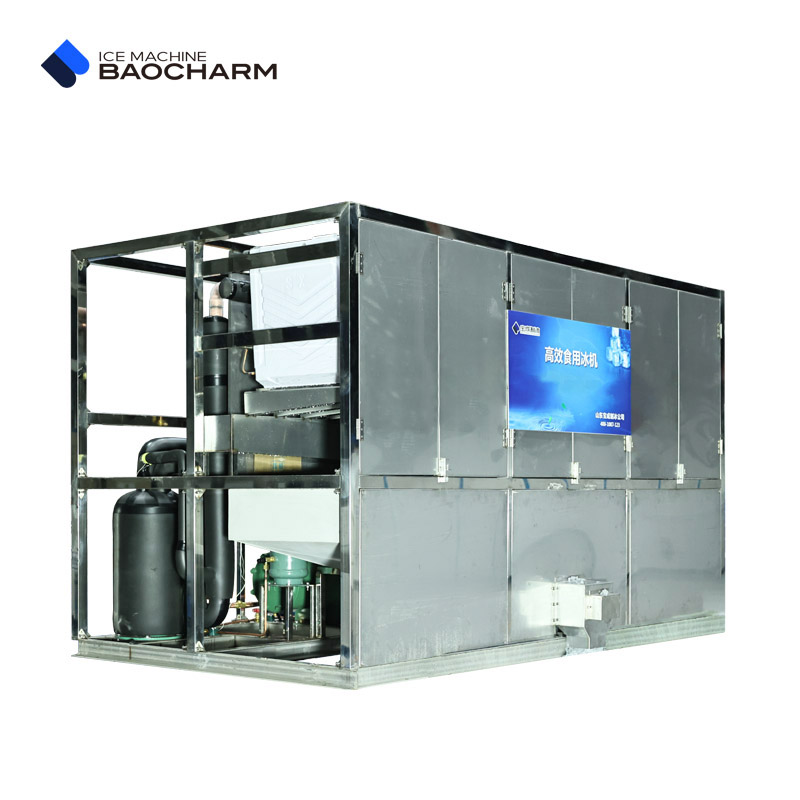
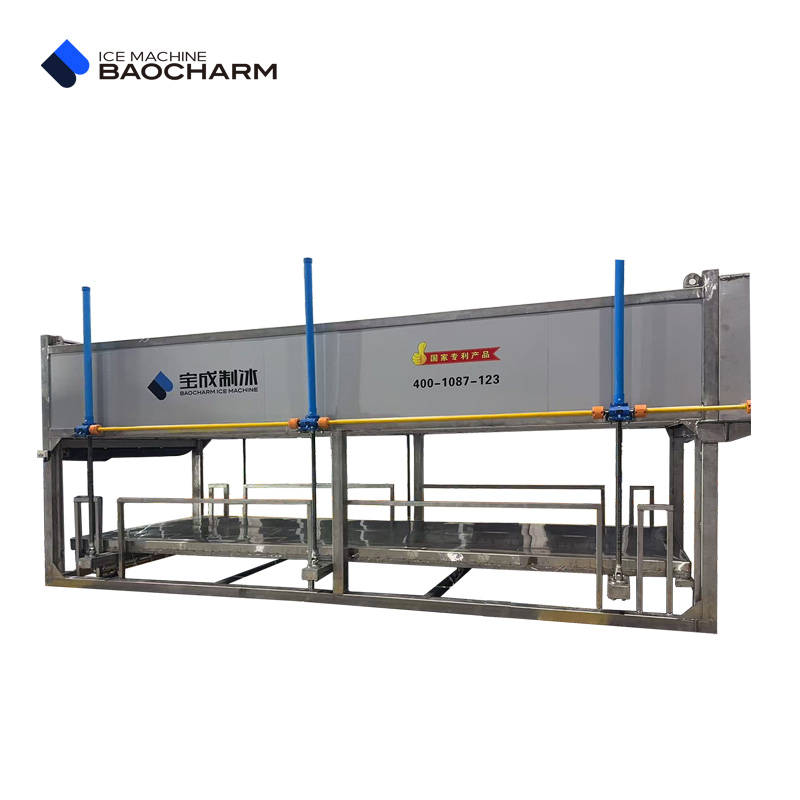
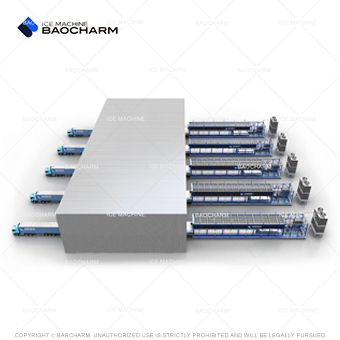
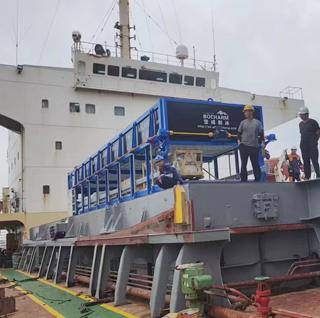
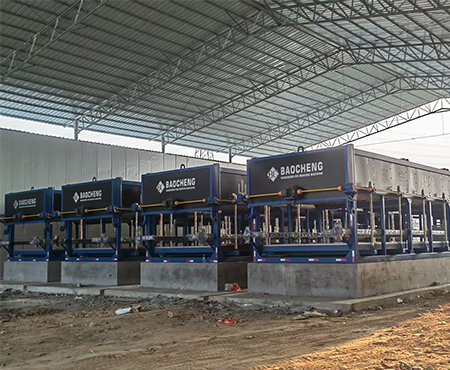
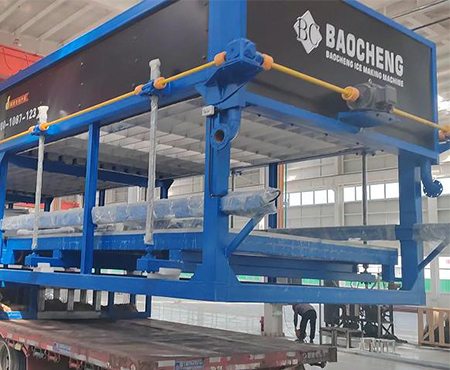
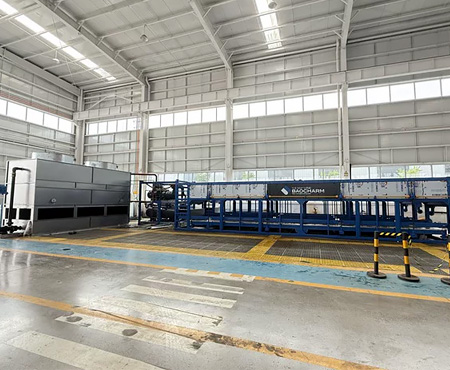
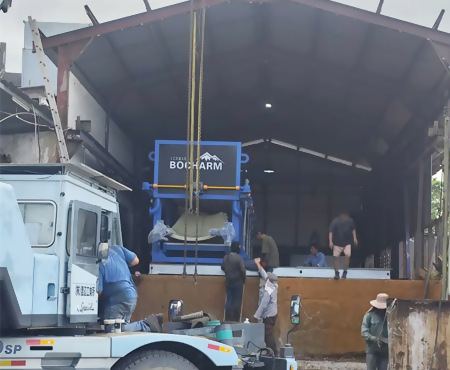
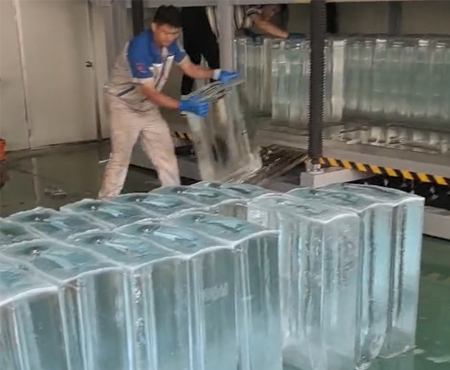
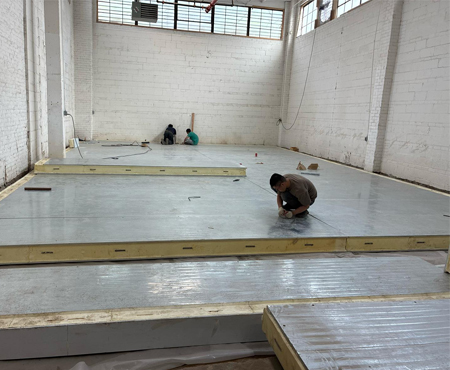
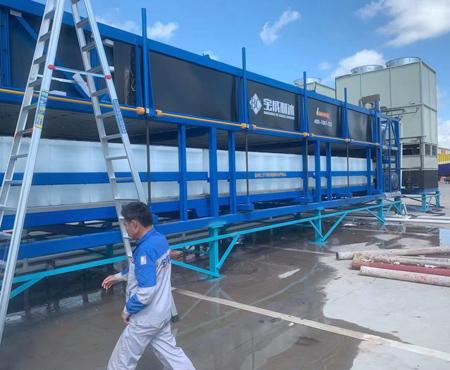
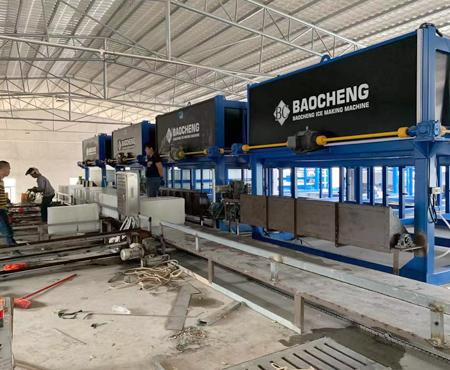
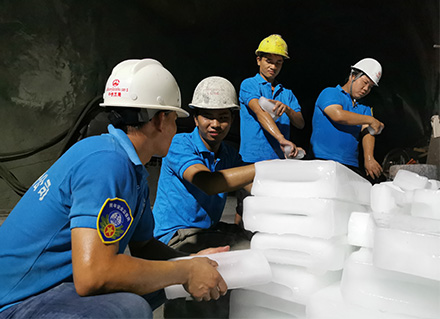
Remplacement d'équipement dans une usine de production de glace à Kuching – Système de saumure vs. unités de refroidissement direct BAOCHARM BCPY-7.5T-15T EmplacementKuching, Sarawak, MalaisieUtilisateur final: Entreprise privée de fabrication de glaceSecteurs de service: Pêcheries locales, transformation des produits de la mer, abattoirsSystème précédentSystème d'immersion en saumure, en service depuis plus de 10 ans, capacité nominale de 20 tonnes/jourNouveaux équipementsDeux (2) BAOCHARM Machines à glaçons en blocs à refroidissement direct BCPY-7.5T-15TSpécifications du bloc: 50 kg par bloc, dimensions 165 × 390 × 920 mm Données de performance de référence du système de saumure mis hors service Le système précédent à base de saumure a présenté les caractéristiques opérationnelles suivantes au cours des 12 mois précédant sa mise hors service :Fluide caloporteur : solution de chlorure de calcium à 23 % circulant via une pompe de 7,5 kW Durée du cycle de congélation : 26 à 30 heures par lot (en fonction de la température ambiante) Taux de corrosion de l'évaporateur : perforation de la paroi du tuyau observée après 6 à 8 mois de fonctionnement continu ; remplacement complet de l'évaporateur requis tous les 14 à 16 mois. Temps d'arrêt pour maintenance : en moyenne 12 jours par an, imputables à la réparation des fuites de saumure et au remplacement du compresseur (en raison des infiltrations d'humidité dues à la contamination de la saumure). Besoins en personnel : 5 opérateurs par poste pour la manutention des boîtes, le levage par pont roulant, le déchargement et le tri des blocs. Consommation électrique spécifique (mesurée) : 120 à 125 kWh par tonne de glace produite (à une température ambiante de 30 à 32 °C et une température d'eau d'entrée de 28 °C) Spécifications du système installé (BAOCHARM BCPY-7.5T-15T) Deux unités identiques ont été installées, offrant une capacité journalière nominale combinée de 15 tonnes (dans des conditions de fonctionnement standard). Chaque unité comprend :Type d'évaporateurÉvaporateur à plaques à détente directe (DX) – fluide frigorigène (R404A / R507A) en contact direct avec les alvéoles du moule remplies d'eau. Pas de fluide caloporteur secondaire.CondenseurCondenseur refroidi par air (température ambiante de conception : 35 °C)CompresseurPiston semi-hermétique (numéro de modèle précis non communiqué à la demande du client)mécanisme de démoulageSystème de basculement hydraulique avec éjection automatique des blocs – aucun besoin de grue ni de levage manuelSystème de contrôleAutomate programmable propriétaire BAOCHARM avec module de communication à distance 4G/LTE intégré Différenciation technique : évaporation directe vs transfert de chaleur par saumure ParamètreSystème de saumure mis hors serviceSystème de refroidissement directInterface de transfert de chaleurSaumure → évaporateur → saumure → moisissureRéfrigérant → plaque d'évaporateur → moule (direct)Chemin de résistance thermique3 barrières (métal + couche limite de saumure + paroi du moule)2 barrières (métal + paroi anti-moisissure)Durée du cycle de congélation (dans les mêmes conditions ambiantes)26 à 30 heures12 à 18 heuresexposition à la corrosionEnvironnement de brouillard salin continu sur tous les composants métalliquesPas de circuit de saumure ; plaques d’évaporateur revêtues d’une couche anticorrosion riche en zinc (classe ISO 12944 C5)Travail par quart5 opérateurs2 opérateurs (rôle de supervision ; démoulage automatisé)Flux de déchetsRejets de saumure usée nécessitant un traitementAucun effluent liquide provenant du circuit de réfrigération Installation et mise en service sur site Le matériel est arrivé sur le site de Kuching. Les contraintes du site incluaient une hauteur sous plafond limitée et un chemin d'accès étroit. Séquence d'installation :Démolition de la structure existante du réservoir de saumure et mise hors service des anciens compresseursLevage et positionnement assistés par grue des deux patins BCPY-7.5T-15Tintégration du raccordement des tuyauteries de réfrigérant, du câblage électrique (415 V / triphasé / 50 Hz) et de l'alimentation en eauEssais de pression et déshydratation sous videCharge initiale et essaiMise en service à pleine charge Données de surveillance à distance (après mise en service) Après la mise en service, les données opérationnelles sont enregistrées en continu via le Plateforme cloud BAOCHARMLes ingénieurs situés au siège de BAOCHARM (Chine) accèdent au tableau de bord à distance pour vérifier les paramètres en temps réel.Données enregistrées au cours des 72 premières heures de fonctionnement continu (du 1er au 3 septembre 2026, température ambiante de 31 à 33 °C) :Pression d'aspirationStable à 2,8–3,1 bar (R404A)Pression de refoulement: 18,2–18,7 barConsommation électrique du compresseur: 78–82 A par unité (dans les limites de la plaque signalétique)température d'entrée d'eau: 27,5–28,2°Ctempérature de sortie de glace (noyau): -4,5 à -5,0°C à l'éjectionTemps d'achèvement du cycle: 14,5 à 15,2 heures par lot (pour les deux unités)État de la connexion à distance: 100% de transmission des paquets de données via 4G LTE (Opérateur : CelcomDigi) Indicateurs opérationnels (basés sur les données nominales et les tendances de la première semaine) Sur la base des spécifications de la plaque signalétique du système et validées par les données de tendance de la première semaine dans les conditions ambiantes ci-dessus :Consommation électrique spécifique (estimée): ≤ 85 kWh par tonne de glace (sous une température ambiante de 32 °C / une température d'eau d'entrée de 28 °C) – ce qui représente une réduction mesurée de 35 kWh/tonne par rapport à la valeur de référence historique du système mis hors service de 120 kWh/tonne.PersonnelRéduction du nombre d'opérateurs par poste de 5 à 2 – le mécanisme de basculement automatisé élimine les opérations de grue et l'extraction manuelle des blocs.corrosion de l'évaporateurSans objet – le circuit frigorifique est hermétiquement scellé et contient des dessiccants ; aucune solution saline aqueuse n’entre en contact avec un composant ferreux.charge de réfrigérant: 48 kg par unité (R404A) – aucune fuite détectée lors du test initial de maintien de la pression de 168 heures. État d'intégration du système Les deux unités produisent actuellement des blocs de 50 kg à l'intervalle de cycle nominal. La glace est acheminée en aval. chambre froide À -18 °C, aucun arrêt imprévu ni aucune alarme n'ont été enregistrés sur la plateforme cloud durant les 14 premiers jours de fonctionnement. L'interface de diagnostic à distance permet aux techniciens de maintenance de BAOCHARM d'identifier préventivement les dérives de pression du fluide frigorigène ou les déséquilibres de charge du compresseur avant qu'ils n'entraînent un arrêt. Cette fonction a été testée et validée via une connexion 4G sans intervention sur site. Résultats de l'installation et indicateurs de performance vérifiés L'installation de deux BAOCHARM machines à glaçons à refroidissement direct Dans cette usine de Kuching, la mise en place d'une ligne de production à base de saumure remplace intégralement celle existante. Les données vérifiées lors des 14 premiers jours de surveillance à distance le confirment :Le cycle à détente directe fonctionne sans fluide caloporteur intermédiaire, réduisant de moitié la durée historique du cycle de congélation de 26 à 30 heures à 14,5 à 15,2 heures dans des conditions ambiantes comparables.La consommation d'énergie spécifique par rapport à la valeur de référence du site mis hors service est réduite de 35 kWh/tonne (valeur de référence 120–125 kWh/tonne contre tendance actuelle ≤85 kWh/tonne).Le mécanisme de basculement automatisé réduit le nombre d'opérateurs par équipe de 5 à 2.Aucun déclenchement d'alarme imprévu ni aucune fuite de réfrigérant n'ont été enregistrés pendant le test initial de maintien de la pression de 168 heures et la période de fonctionnement ultérieure. Le système est désormais opérationnel et fournit des blocs de 50 kg aux secteurs locaux de la pêche et de l'élevage. La connectivité au cloud assure une visibilité continue des performances depuis le siège de BAOCHARM, permettant ainsi une maintenance conditionnelle sans intervention sur site. Demandez une évaluation gratuite de la mise à niveau de votre système de refroidissement direct à partir de saumure. BAOCHARM propose des évaluations techniques sans engagement aux producteurs de glace qui envisagent une transition des systèmes à base de saumure vers la technologie de refroidissement direct.Chaque évaluation comprend :Une projection de retour sur investissement spécifique à votre site, basée sur vos tarifs locaux de services publics et vos coûts de main-d'œuvreUne analyse comparative de l'empreinte des équipements par rapport à l'agencement de votre usine existanteUn calendrier d'installation documenté avec les exigences de préparation du site identifiées Pour obtenir une évaluation de votre installation, veuillez soumettre vos données de production de référence (capacité actuelle, type de système, conditions ambiantes et spécifications de l'alimentation électrique) via le formulaire « Demander un devis » sur ce site web. Mentionnez l'étude de cas de Kuching pour un traitement prioritaire. FAQ – Mise à niveau de la machine à glaçons en blocs à refroidissement direct Q1Quelle est la principale différence opérationnelle entre un système à saumure et un système de refroidissement direct BAOCHARM en termes de fluide frigorigène ?Dans un système à saumure, le fluide frigorigène refroidit un bain de saumure (solution de chlorure de calcium ou de chlorure de sodium), et cette saumure refroidie circule autour des moules à glaçons. Dans le système à refroidissement direct BAOCHARM, le fluide frigorigène se détend directement à l'intérieur des plaques de l'évaporateur qui forment les alvéoles des moules à glaçons. Le circuit de saumure — comprenant les pompes, les réservoirs de stockage et les risques de corrosion associés — est entièrement supprimé. Q2Le remplacement d'un système à saumure par une unité à refroidissement direct nécessite-t-il d'importantes modifications structurelles du bâtiment existant de l'usine ?Les modifications structurelles requises dépendent de la configuration de l'usine existante. Pour cette installation à Kuching, les deux unités BCPY-7.5T-15T ont été montées sur patins et positionnées dans l'emprise au sol du bâtiment existant après la dépose de la cuve à saumure. Les travaux préparatoires nécessaires comprennent une dalle de béton plane (capacité portante minimale spécifiée dans le manuel d'installation), un dégagement suffisant pour le levage par grue (documenté lors de l'étude de site) et une alimentation électrique triphasée de 415 V à 50 Hz. BAOCHARM fournit une liste de contrôle pour l'étude de site préalable à l'installation afin de vérifier ces paramètres avant expédition. Q3Comment fonctionne le système de surveillance cloud BAOCHARM pour les installations à l'étranger sans personnel technique local ?Chaque unité de la série BCPY est équipée d'un module de communication 4G/LTE installé en usine. Ce module transmet des données en temps réel (pressions d'aspiration et de refoulement, consommation électrique du compresseur, température d'entrée d'eau et état du cycle) à la plateforme cloud BAOCHARM via le réseau cellulaire local (CelcomDigi dans cette installation malaisienne). Les techniciens BAOCHARM agréés accèdent à la plateforme via un tableau de bord web, depuis n'importe quel endroit. Le système génère des alertes automatiques en cas de dérive de pression, de surintensité ou d'écart de durée de cycle. Aucune infrastructure réseau sur site (Wi-Fi ou Ethernet) n'est requise, au-delà de la couverture cellulaire standard. Q4Quel fluide frigorigène utilise le BCPY-7.5T-15T et est-il conforme à la réglementation environnementale malaisienne ?Le système est fourni de série avec du R404A, le R507A étant disponible en option. Ces deux fluides frigorigènes sont des mélanges d'HFC à potentiel d'appauvrissement de la couche d'ozone (PAO) nul. En Malaisie, ces fluides frigorigènes sont autorisés conformément à la réglementation en vigueur du ministère de l'Environnement relative aux équipements frigorifiques industriels. BAOCHARM fournit la charge complète de fluide frigorigène, ainsi que les certificats de test de pression et les rapports de test d'étanchéité correspondants, dans le cadre du dossier de mise en service. Q5BAOCHARM peut-il me fournir une projection du retour sur investissement avant achat pour mon emplacement spécifique ?Oui. L'équipe d'ingénierie de BAOCHARM fournit une projection de retour sur investissement (ROI) personnalisée, incluant une estimation du délai de récupération, dès réception de vos tarifs de référence, de vos données de consommation électrique actuelles (ou du type de système) et de votre modèle d'organisation du personnel. Cette évaluation est offerte gratuitement dans le cadre de la consultation d'ingénierie avant-vente. Pour en faire la demande, veuillez soumettre les données de votre installation via le formulaire de demande standard disponible sur ce site web et mentionner l'étude de cas de Kuching.


 français






 September 19, 2026
 Réseau IPv6 pris en charge